Not Enough Space
Most balconies feel smaller than they are. Vertical shelving and wall planters can easily double your growing area without taking up floor space. Even 20 square feet is plenty to start.
You don't need a backyard to grow herbs, flowers, or fresh food. A few simple tools and the right setup can make a small balcony surprisingly productive.
See Beginner-Friendly Setups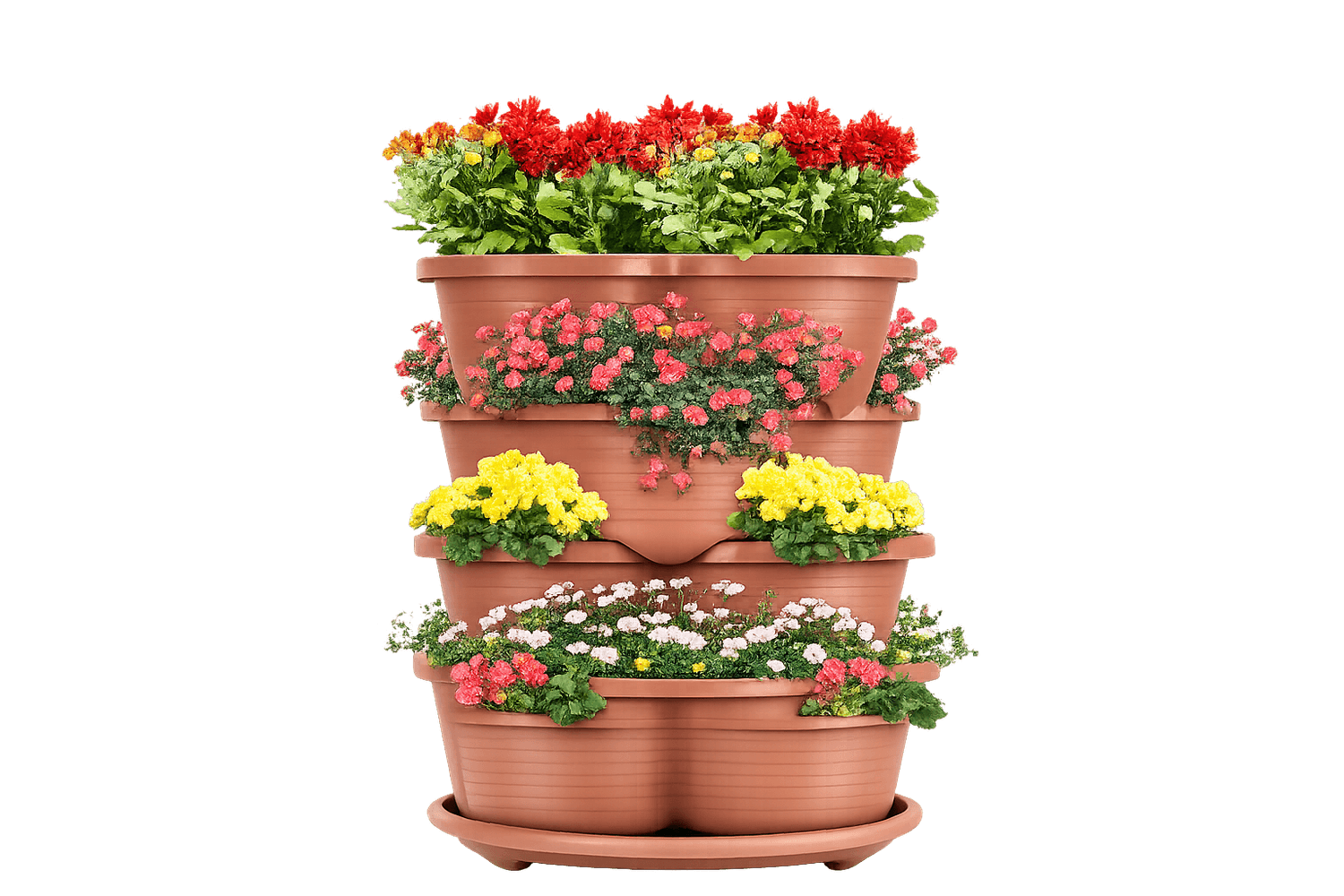
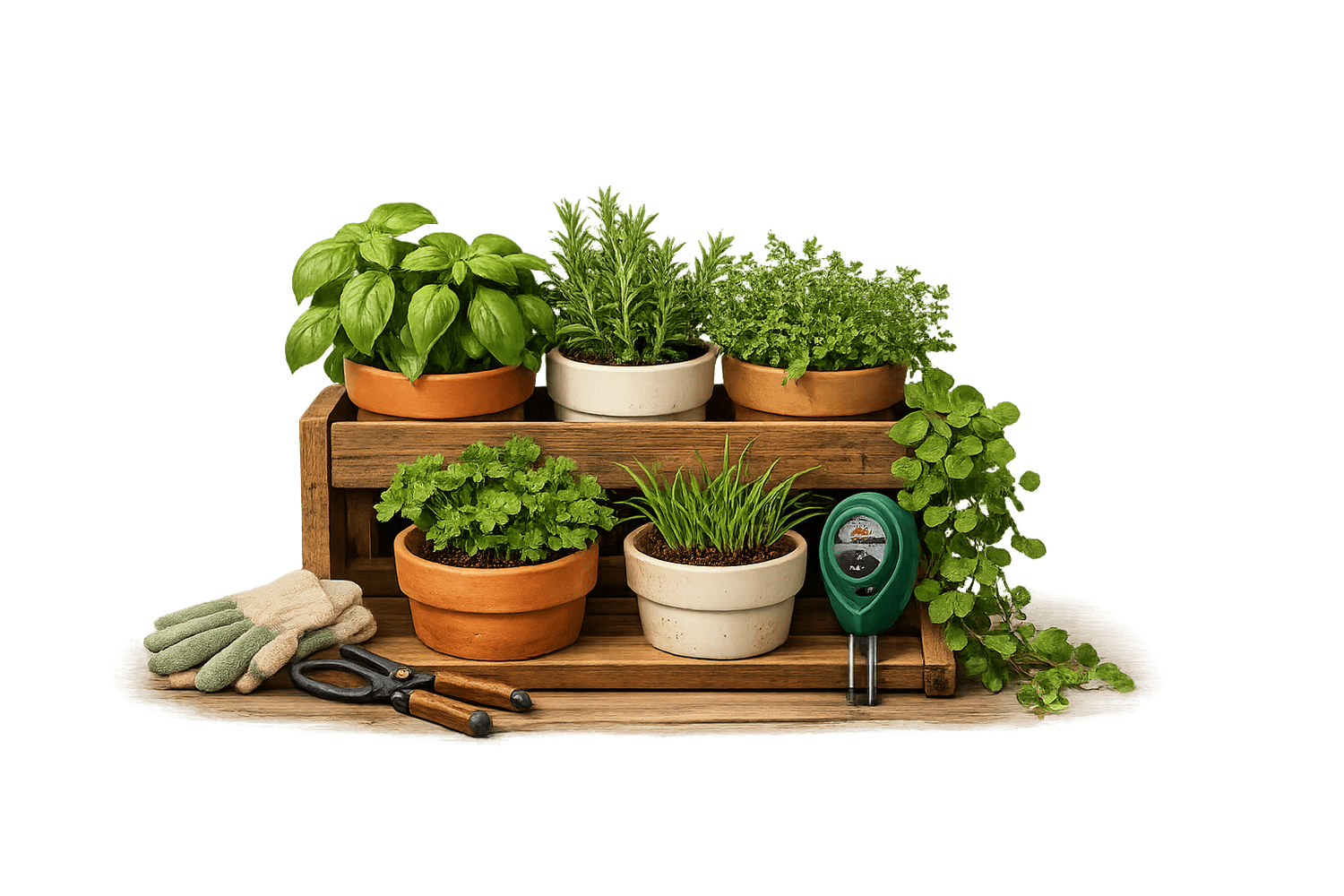
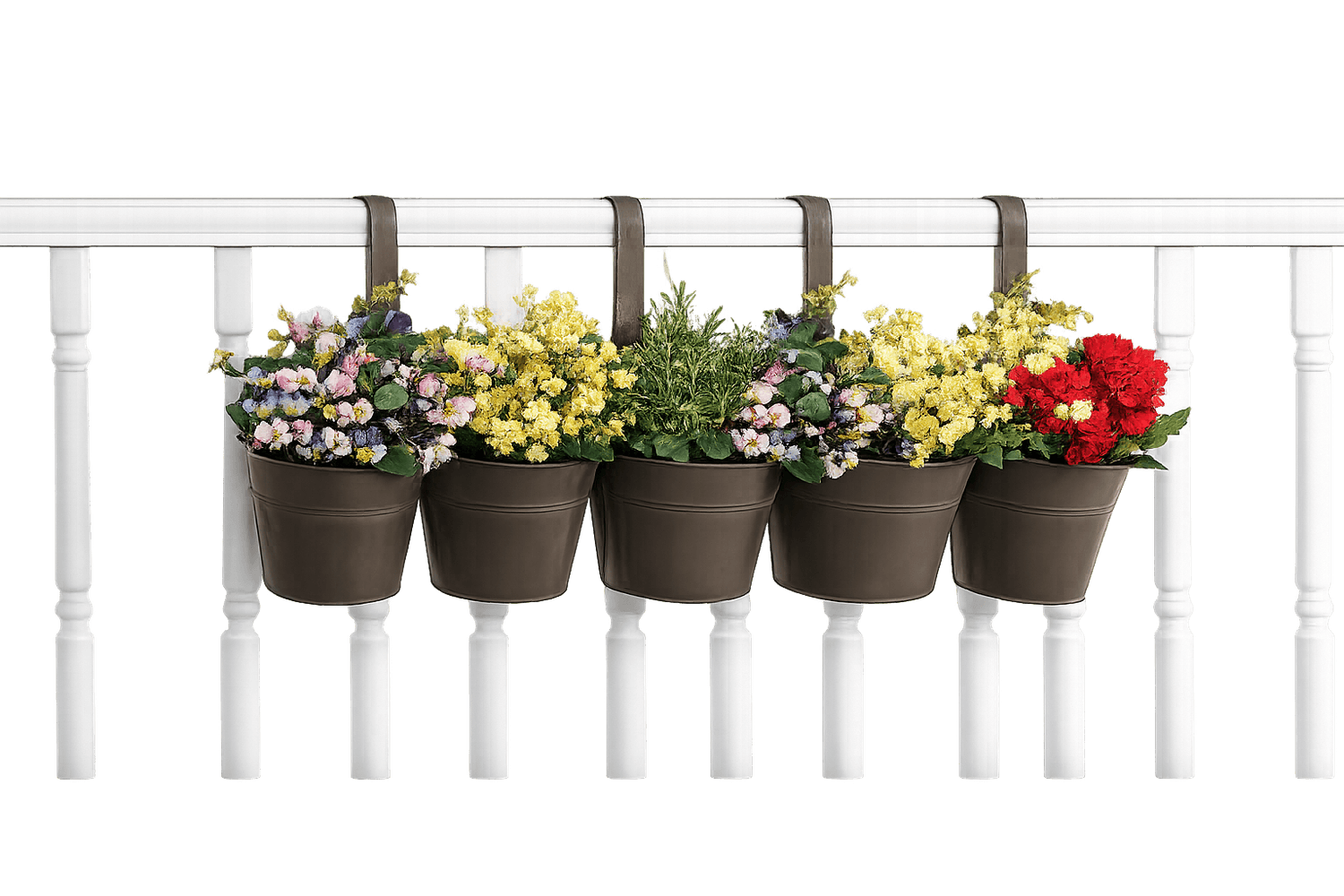
Real setups that work — stacking planters, herb shelves, and railing containers.
Common starting points
Most beginners run into the same four problems. They're all very fixable.
Most balconies feel smaller than they are. Vertical shelving and wall planters can easily double your growing area without taking up floor space. Even 20 square feet is plenty to start.
This is almost always a watering or sunlight mismatch — not a gardening skill problem. Choosing plants that suit your specific light conditions makes a significant difference from day one.
Overwatering is more common than underwatering. Container plants need drainage and consistent moisture — not daily soaking. A simple moisture meter removes all the guesswork for beginners.
Aphids, fungus gnats, and spider mites appear on almost every beginner balcony at some point. They're manageable with simple preventive steps — good airflow and neem oil cover most cases.
The basics that matter
Successful balcony gardens come down to five simple things — none of them complicated.
The basics, in order
Curated for beginners
Each setup is built around a different goal. Pick the one that fits your space and routine.
Fresh herbs within arm's reach. Basil, mint, parsley, and chives grow well in small containers and are hard to kill once established.
What this setup includes
When floor space is limited, go vertical. Wall-mounted shelves and hanging planters can turn a bare railing into a full growing wall.
What this setup includes
Designed for busy schedules. Self-watering pots and slow-growing plants let you enjoy a balcony garden without daily attention.
What this setup includes
Practical notes
Small things that make a noticeable difference once you know about them.
Crowding plants together reduces airflow, which leads to fungal issues and pest problems. Leave a few inches between containers — it helps more than any spray.
Container plants don't need daily watering. Stick a finger an inch into the soil — if it's still damp, wait another day. Most beginners water too often, not too little.
Reflected heat from walls and railings can stress plants on sunny afternoons. Light-colored containers and shade cloth on one side help regulate temperature without any fuss.
A simple layout — most-used plants closest, watering tools in one spot — turns a daily check into a 5-minute habit. Chaos makes gardening feel like a chore. Order makes it feel like a routine.
A gentle reminder
The most productive balcony gardens weren't built in a day. They evolved slowly — one pot added, one problem solved, one plant moved to better light.
Beginners improve through small adjustments, not grand plans. The best setup is the one that fits your actual routine — not the ideal one from a magazine.
Simple setups, tended consistently, almost always outperform complex ones that feel like a burden.
Ready when you are
Start with a setup that fits your space, routine, and comfort level.
No overwhelm required.